In the competitive landscape of modern business, selecting the right networking equipment is crucial. Enterprise switches play a vital role in ensuring smooth data flow. These devices connect various network devices, from computers to servers, enabling efficient communication.
Choosing the right enterprise switches can seem daunting. The market offers numerous options, each with unique features and specifications. Factors such as speed, reliability, and scalability must be considered. Many businesses overlook the importance of future growth. A switch that fits today’s needs may not suffice tomorrow. Therefore, evaluating long-term requirements is essential.
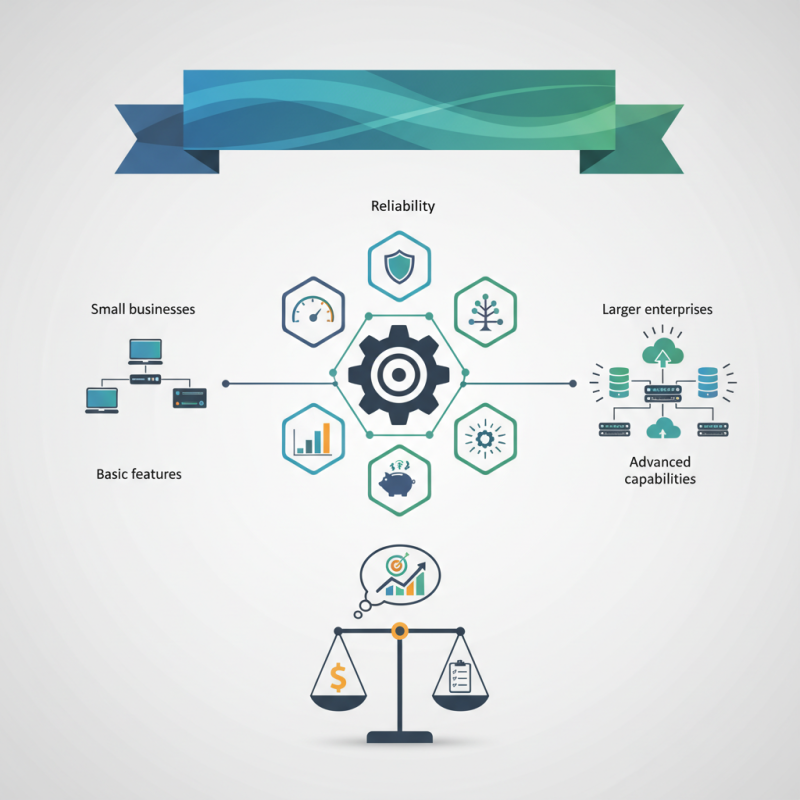
Understanding the specific needs of your organization will guide you to the best choice. For instance, small businesses may require basic features, while larger enterprises need advanced capabilities. Balancing features with budget constraints adds another layer of complexity. It's a challenge that demands careful thought and reflection on current and future business goals.
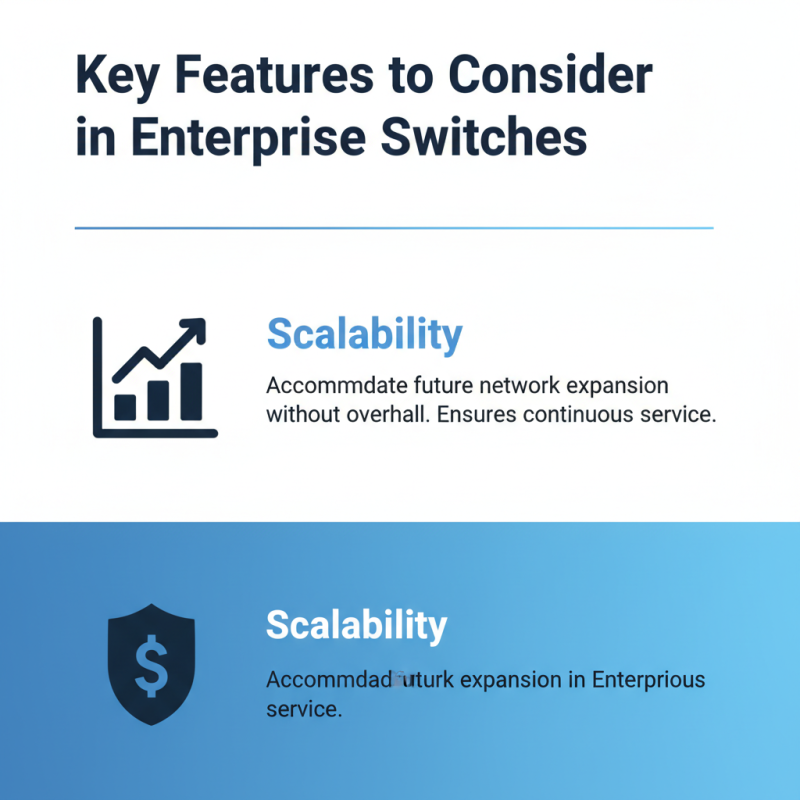
When choosing enterprise switches, several key features should be considered. First, look for scalability. Your network may grow. Select a switch that can accommodate future expansion without a complete overhaul. This ensures continuous service as demands increase.
Performance is vital. High throughput and low latency boost productivity. A switch with Quality of Service (QoS) capabilities allows prioritization of traffic. This is important for applications like video conferencing. Tips: Check for multicast support. This can enhance performance for specific tasks.
Moreover, security cannot be overlooked. Features like port security protect your network. Monitoring traffic and user access are crucial to prevent breaches. Make sure your switch has adequate security protocols in place.
In addition to these features, consider user interface and management options. A complicated system can slow down troubleshooting. Sometimes, simple is better. Reflect on your team's technical skills before making a decision. A user-friendly design may save you headaches later.
When it comes to enterprise switches, various types cater to different business needs. Each organization has unique requirements, making it crucial to choose wisely. Managed switches provide extensive control over network configurations. They allow for prioritizing traffic and enhancing security. This is ideal for companies with complex network architectures. However, they often come at a higher cost.
Unmanaged switches are a simpler option for smaller businesses. These plug-and-play devices require minimal setup. Businesses can save money with unmanaged switches but sacrifice management features. This might lead to unforeseen challenges as the company grows. Limited capabilities can hinder network performance and security.
PoE switches are increasingly popular. They power devices like IP cameras and phones over the same cable. This reduces clutter and simplifies installation. However, depending solely on PoE can create limitations. As technology evolves, relying on this single solution may not suffice. It's essential to consider scalability for future needs.
| Switch Type | Key Features | Best For | Typical Use Case |
|---|---|---|---|
| Unmanaged Switches | Plug and play, no configuration needed | Small Offices | Connecting basic devices |
| Managed Switches | Advanced configuration options, monitoring, and VLAN support | Medium to Large Businesses | Complex networks requiring management |
| Smart Switches | Limited management capabilities, easier to configure than fully managed | Growing Businesses | Cost-effective management for small to medium networks |
| PoE Switches | Power over Ethernet capabilities, supports IP cameras and phones | Office Environments | Deploying devices that require power and data |
| Layer 3 Switches | Routing functions, VLAN support, and high performance | Large Enterprises | Interconnecting multiple networks |
When choosing switches for enterprises, understanding managed versus unmanaged switches is crucial. Managed switches offer advanced features like network monitoring and traffic control. This helps in optimizing performance and ensuring smooth data flow. Unmanaged switches are simpler and cheaper. They are plug-and-play but lack these advanced capabilities.
The choice often depends on your network needs. If your business is growing, a managed switch can scale with you. They allow for configuration adjustments, which can be a game changer as demands increase. However, not every business requires such complexity. For smaller setups, unmanaged switches might suffice. They save costs and reduce setup time.
Remember, some setups could benefit from a hybrid approach. You don’t have to choose one over the other. Mixing both types can provide flexibility. Yet, this presents its own challenges, especially in managing network performance consistently. You’ll need to monitor both types to ensure they function well together. Consider the specific needs of your business carefully.
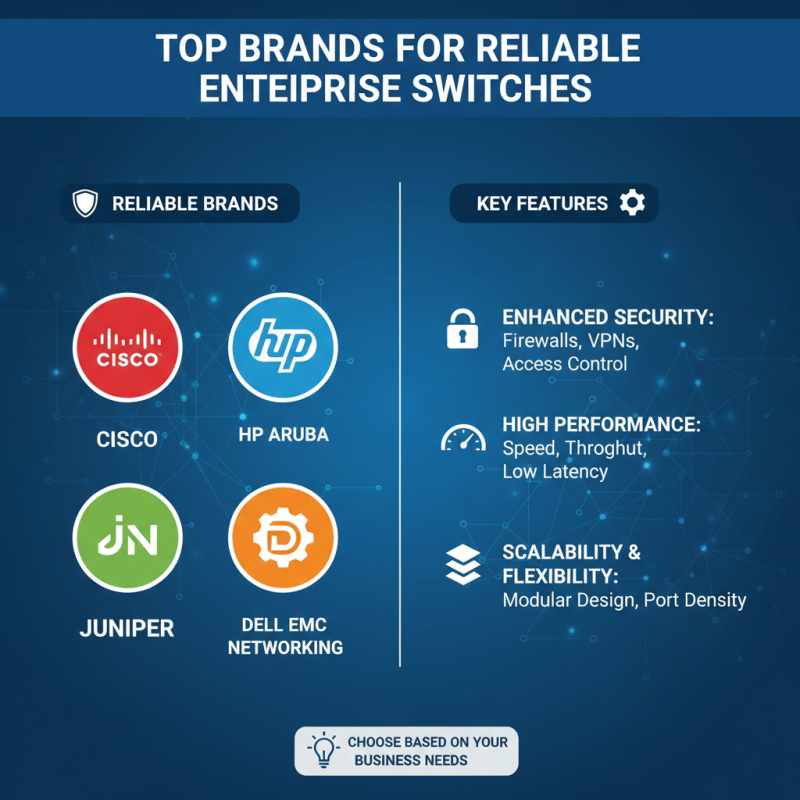
When selecting enterprise switches, reliability is crucial. Many brands offer various models tailored to business needs. Consider what features you require. Some switches provide enhanced security options, while others excel in performance. This diversity allows businesses to choose based on their specific demands.
Many brands in the market are known for their robust enterprise switches. They focus on performance, scalability, and long-term reliability. A reliable switch minimizes downtime. However, it can be overwhelming to sift through all the options available. Often, businesses may overlook key specifications. Understanding the difference between managed and unmanaged switches is essential. Managed switches offer more control, but require more expertise.
Cost is another factor. Quality switches can be an investment, and striking the right balance is necessary. It's common for businesses to go for the cheaper option. This may lead to issues down the line, as not all switches are built the same. Reflecting on your business needs can help make better decisions. Choose wisely for a thriving network.
When selecting enterprise switches, budget plays a crucial role. Businesses often underestimate the total cost of ownership. It includes not just the purchase price but also ongoing costs like maintenance and energy consumption. According to industry reports, about 30% of IT budgets are allocated to networking equipment. Proper budgeting is essential to avoid financial strain.
Consider the long-term benefits of investing in quality switches. While cheaper options may save money initially, they can lead to higher downtime costs. A report from a leading research firm revealed that businesses lose an average of $5,600 per minute during network outages. It’s vital to evaluate the potential risks associated with lower-quality switches.
Tips: Always compare features and future-proofing capabilities. Think about scalability as your business grows. Short-term savings could lead to larger expenses later. A well-structured budget helps prevent overspending. Don't rush your decision—do thorough research. Making a hasty choice can lead to regret down the line. Investing in the right infrastructure is key to your success.
This bar chart presents the pricing of various enterprise switches suitable for different business needs. When selecting an enterprise switch, it's crucial to consider budget alongside performance and features offered by the models.