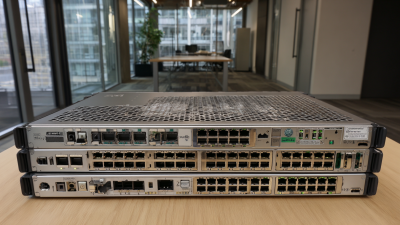
What Makes Juniper MX204 the Best Choice for Your Network?
In today's fast-paced digital landscape, reliable networking solutions are crucial. The Juniper MX204 stands out as a top choice for various organizations. With its robust architecture, it accommodates diverse network needs efficiently.
Designed with scalability in mind, the Juniper MX204 offers exceptional performance. This device supports a wide range of applications, ensuring seamless connectivity. It has advanced features that optimize traffic management and enhance security. The versatility of the MX204 makes it suitable for both small businesses and large enterprises.
Choosing the right network equipment can be overwhelming. However, the reputation of Juniper Networks instills confidence. Their expertise in the field is notable. The MX204 not only delivers high performance but also ensures future-proofing for evolving technologies. Assessing its reliability and overall functionality reveals its true value. Organizations must consider these factors before making decisions.
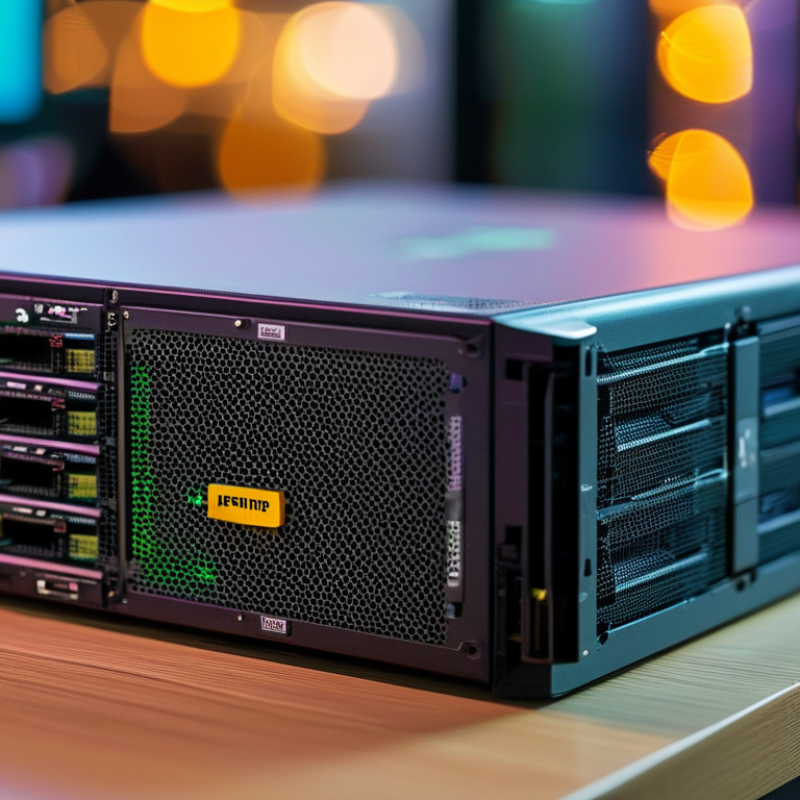
Key Features of the Juniper MX204 Router
The Juniper MX204 router stands out due to its impressive features. With support for flexible bandwidth, it can easily handle varying network traffic. This capability is vital for businesses aiming to adapt to growing demands. Additionally, its scalability allows seamless growth for network infrastructure. Companies can avoid costly upgrades by investing in a router that evolves with their needs.
Another defining trait is the router’s reliability. It features advanced redundancy options that minimize downtime. Network failures can be detrimental, and the MX204 helps prevent this risk. Furthermore, its robust security features protect against increasing cyber threats. Strong security protocols ensure data integrity and continuity, which is crucial for sensitive information.
However, while the MX204 has many advantages, it is not without its challenges. Some users may find the initial setup complex. The learning curve can be steep, especially for teams without extensive experience. This might lead to implementation delays. Understanding the configuration options is essential for optimal performance. As networks grow, continuous training for staff becomes necessary to leverage its full potential.
Performance Capabilities: Speed and Scalability
When considering performance capabilities, the MX204 stands out in speed and scalability. With a throughput capacity of up to 320 Gbps, it efficiently manages high data loads. This is crucial for organizations experiencing significant traffic growth. According to industry reports, networks can expect 30% increases in data traffic annually. The MX204 is built to handle these demands seamlessly.
Latency is another vital factor. Ideal latency rates for top-tier networks are below 10 milliseconds. The MX204 achieves this with advanced processing technologies. Its modular design allows easy upgrades, ensuring long-term scalability. This adaptability protects your investment against rapid technological changes.
Tips: Regular performance assessments are essential. Monitor your network’s traffic patterns. This data informs when upgrades become necessary. Additionally, consider future-proofing your setup to accommodate unexpected surges in demand. Balancing current needs with future growth is vital for sustained network performance.
Performance Capabilities of the Juniper MX204
Flexible Deployment Options for Diverse Networks
Flexible deployment options are crucial in today’s ever-evolving networking landscape. Numerous studies indicate that 75% of enterprises require adaptable solutions to meet diverse network demands. Companies must accommodate changing traffic loads, variable service requirements, and different geographic scopes. The right network equipment can seamlessly fit into various operational environments, whether on-premises, cloud-based, or hybrid.
For example, numerous organizations are shifting to remote work models, increasing the need for scalable solutions. Research shows that nearly 60% of IT teams prioritize flexibility when choosing networking hardware. This statistic underscores the importance of adaptability in handling sudden spikes in bandwidth demand. When deployment options expand, businesses can leverage their networks to optimize operations and improve service delivery.
Despite the growing reliance on advanced networking solutions, challenges remain. Not all equipment supports intuitive scaling. Organizations sometimes struggle with compatibility issues and management complexities. Transitioning to new systems can disrupt workflows and strain resources. Continuous assessment of current setups ensures that companies do not fall behind in meeting their network performance goals. A proactive approach is necessary to align technology with evolving business needs.
Security Features That Enhance Network Protection
In today's digital landscape, security is a top priority. Businesses face constant threats from cybercriminals. Strong network protection is essential. Advanced security features can help safeguard sensitive data and ensure business continuity.
A robust firewall system is a critical component of effective network security. It monitors and controls incoming and outgoing network traffic. A good firewall can detect and block malicious activities. This proactive approach helps prevent data breaches. Additionally, implementing advanced encryption protocols protects data during transit. It ensures that only authorized users can access critical information.
While many systems offer security features, not all are equal. Some may lack the necessary depth or adaptability. It's vital to evaluate how each feature aligns with organizational needs. Regular updates and patch management also play a crucial role. Maintaining security requires ongoing vigilance and assessment. It's a continuous process rather than a one-time setup.
What Makes Juniper MX204 the Best Choice for Your Network? - Security Features That Enhance Network Protection
| Security Feature |
Description |
Benefit |
| DDoS Protection |
Automatically detects and mitigates distributed denial-of-service attacks. |
Ensures service availability and uptime during attacks. |
| Next-Gen Firewall |
Advanced threat protection with application awareness. |
Blocks complex threats while allowing legitimate traffic. |
| Intrusion Prevention System (IPS) |
Real-time monitoring and prevention of network vulnerabilities. |
Reduces the risk of breaches and data loss. |
| VPN Support |
Secure remote access via encrypted tunnels. |
Protects sensitive data during transmission. |
| Access Control Lists (ACLs) |
Rules for controlling network traffic and access. |
Enhances network security by limiting access. |
| Security Information and Event Management (SIEM) |
Centralized logging and analysis of security events. |
Improves incident detection and response times. |
Cost-Effectiveness and Long-Term Value of MX204
When considering network solutions, cost-effectiveness and long-term value are paramount. The MX204 offers a compelling balance of performance and affordability. Organizations often seek efficient routing without breaking the bank. The device's robust features are designed to support high-capacity networks while minimizing operational costs.
Investing in the MX204 can yield significant savings over time. This device supports versatile applications and scalable architectures. It reduces overheads by eliminating the need for frequent upgrades. Many users find that this model allows for seamless integration into existing infrastructures. However, some may need to adapt their current setups. This transition may cause temporary disruptions that require careful planning.
Customers appreciate its reliability, but there are moments where performance may not meet expectations. Network demands can fluctuate, and the MX204 must navigate these challenges. Regular maintenance and updates are crucial to sustain efficiency. Reflecting on these aspects can help organizations avoid pitfalls and fully leverage the device's potential. Balancing needs against budget constraints ensures a wise investment in network technology.