2026 How to Choose Juniper Networks SRX Series for Your Business?
Choosing the right networking equipment is vital for business success. The Juniper Networks SRX Series offers robust security and performance. This series combines firewall, VPN, and routing functionalities in one platform. Businesses can streamline operations and enhance their security posture with this solution.
When selecting the Juniper Networks SRX Series, consider your specific needs. Evaluate the size of your network and expected traffic. Are you prepared for growth in the future? These questions must guide your decision-making process. The SRX Series covers a wide range, from small offices to large enterprises.
Furthermore, the technology landscape is ever-evolving. What worked yesterday may not be adequate today. Stay updated on trends and advancements to make informed choices. An effective setup involves more than just product selection; it requires ongoing assessment and adaptation. Balancing current capabilities with future needs can be challenging but essential for maintaining network health.

Understanding the Juniper Networks SRX Series Overview and Features
When selecting networking solutions, understanding the available options is crucial. The SRX Series offers a robust firewall platform designed for various business needs. It integrates advanced security features and provides high-performance capabilities. This series can handle diverse workloads, ensuring efficient operations.
One key feature is unified threat management. Businesses can protect their networks from various threats while maintaining seamless connectivity. Advanced features, like intrusion prevention systems, enhance security further. The SRX Series is also flexible, allowing for easy scalability as businesses grow. However, the complex setup process might pose challenges for some users. It’s vital to plan accordingly.
Performance is another critical aspect. The SRX devices deliver high throughput, meeting the demands of modern applications. Yet, organizations must evaluate their specific needs to determine the right model. It's easy to overlook performance metrics amid flashy features. Regular assessments can lead to better resource allocation and more effective security.
Juniper Networks SRX Series Features Overview
This chart illustrates the comparison of key features of the Juniper Networks SRX Series firewalls, focusing on Security Services, Performance, Deployment Options, and Management Capabilities.
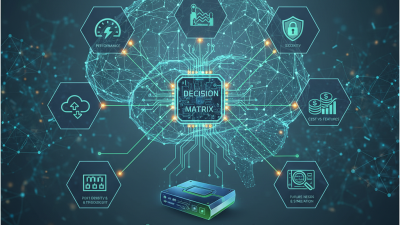
Key Considerations for Selecting the Right SRX Model for Your Needs
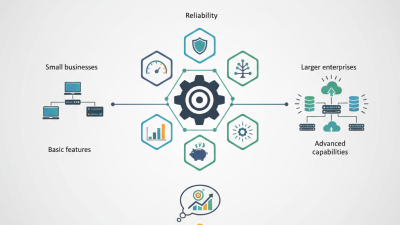
Selecting the right SRX model for your business requires careful consideration. Start by evaluating your business size and growth potential. A small startup may not need the same capacity as a large corporation. Identify specific needs, such as the number of users or devices that require connectivity.
Low-end models can suffice if you have minimal traffic. However, larger enterprises demand high throughput and resilience.
Next, examine security features essential for your operations. Firewalls, intrusion prevention systems, and threat intelligence capabilities are crucial. Not all models offer the same level of protection. You might also want to consider future security trends. Cyber threats evolve, so your solution should be adaptable.
Operational simplicity is another factor. You need a system that your team can manage without excessive training.
Budget constraints play a significant role. High-end models come with advanced capabilities but often carry a higher price tag. Balance performance and cost to find a model that fits your financial landscape.
Heavy investments may be necessary, but they must align with your operational objectives. Reflect on your organizational structure and plan for scalability.
Flexibility is key in today’s fast-paced business environment. Engaging with your team in discussions can yield valuable insights into selecting the right model.
Evaluating Network Security Requirements in Your Business Environment
Evaluating network security requirements is crucial for any business environment. Start by identifying the assets that need protection. This can include sensitive data, intellectual property, and customer information. Understanding what needs safeguarding will help shape your security strategy.
When assessing your requirements, consider potential threats. These can range from cyber attacks to natural disasters. It's vital to evaluate the likelihood and potential impact of these threats on your operations. Moreover, understanding compliance needs is key for industries that deal with regulated data.
**Tips:** Regularly review your security posture. Conduct vulnerability assessments to identify gaps. Engage with a cybersecurity expert to enhance your strategy. Collaboration with knowledgeable professionals can lead to more informed decisions. It's okay to reassess your needs as your business evolves.
Assessing Budget Constraints and Total Cost of Ownership for SRX Series
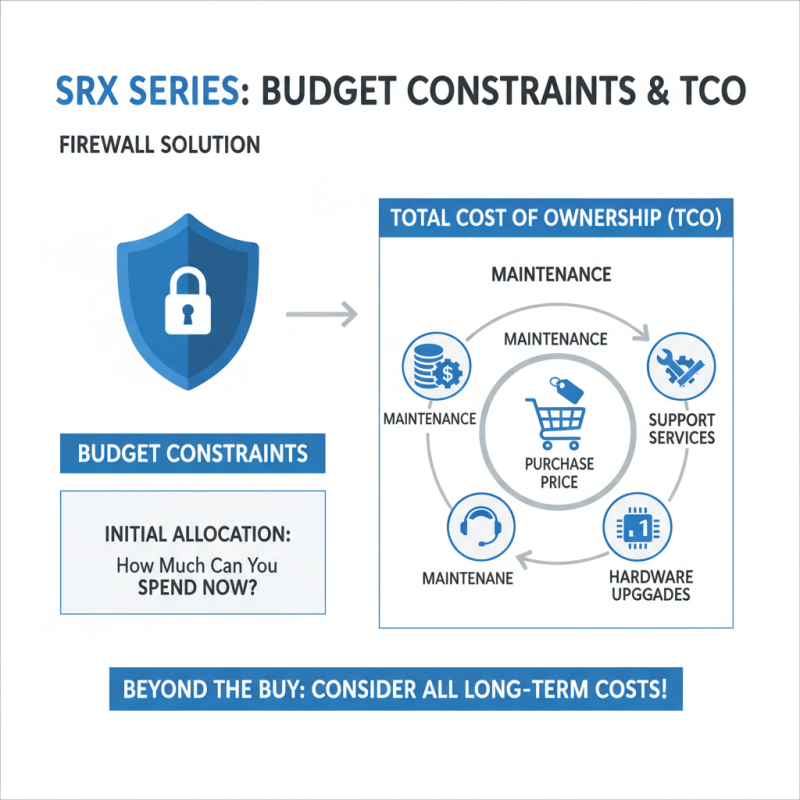
When evaluating the SRX Series for your business, budget constraints are key. Determine how much you can allocate for a firewall solution. Total Cost of Ownership (TCO) goes beyond just the initial purchase price. Consider ongoing maintenance costs, support services, and potential hardware upgrades.
One tip is to calculate the expected lifecycle of the device. Some businesses overlook this aspect. A device that lasts longer may offer better long-term value. Additionally, factor in the scalability that the SRX Series can provide. As business needs grow, your firewall should also adapt.
Examine the total costs, including power consumption and cooling needs. These hidden costs can accumulate over time. Assess your current infrastructure and how these factors fit into your overall budget. Keep in mind that every choice carries weight, and reflection is necessary. Adjust your expectations based on real data and past experiences to make an informed decision.
Integration and Scalability of SRX Series with Existing Infrastructure
When considering the integration of SRX Series into your existing infrastructure, focus on ease of compatibility. A well-structured framework is crucial. Ensure your current systems can work seamlessly with new solutions. Many businesses underestimate this. Test connections before full deployment to identify potential issues early.
Scalability is another vital aspect. The SRX Series is designed to grow with your business needs. It can support various deployment sizes without complications. However, businesses often need help with over- or under-provisioning resources. Carefully evaluate your requirements to avoid these pitfalls.
**Tips:** Look into your data traffic patterns. This will help determine the right capacity. Involve your IT team in planning phases. Their insights on current infrastructure can make a significant difference. Regularly revisit your integration strategy. Adapt as your needs evolve.