In today's digital landscape, cybersecurity is more critical than ever. Businesses face increasing threats from cyber-attacks. To combat these risks, deploying robust security solutions is essential. The Juniper Enterprise Firewall stands out as a leading option. It offers advanced features tailored for business needs.
With the Juniper Enterprise Firewall, organizations benefit from enhanced protection against intrusions. Its application visibility and control ensure secure access to essential resources. Moreover, users appreciate its ease of integration with existing systems. Real-time threat intelligence is another compelling feature. This capability allows businesses to respond swiftly to emerging threats.
However, no solution is perfect. Some users have noted the complexity of initial setup. This aspect might require dedicated IT resources. Yet, understanding and utilizing the full potential of the Juniper Enterprise Firewall can yield substantial rewards. As companies prioritize security, the choice of a reliable firewall becomes crucial.

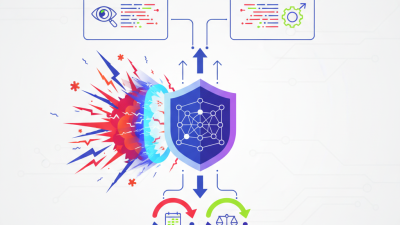
The Juniper Enterprise Firewall offers robust features that enhance business security. One of its key strengths is advanced threat detection. It utilizes machine learning to identify potential dangers in real-time. This proactive approach minimizes risks from cyber threats, providing peace of mind.
Another notable feature is granular access control. Administrators can set specific permissions for users and devices. This flexibility ensures that sensitive data remains protected. Additionally, the firewall supports virtual private networks (VPNs), securing remote connections for remote employees. Such capabilities are essential in today’s hybrid work environments.
Regular updates and threat intelligence are crucial aspects of maintaining security. The firewall continuously adapts to emerging threats. This dynamic capability may require ongoing training and adjustments from IT teams. It's important for businesses to invest in regular assessments and updates. These steps help align the firewall's capabilities with evolving security needs. Engaging with the technology ensures that teams can maximize its potential effectively.
In today's digital landscape, businesses face evolving threats that require advanced security measures. Enhanced threat detection is a key feature of modern firewalls. These firewalls utilize sophisticated algorithms and machine learning. They analyze traffic patterns in real-time. This proactive approach helps in identifying and neutralizing threats before they escalate.
Real-time response capabilities are also crucial. When a potential threat is detected, these systems react quickly. They can automatically block malicious traffic, alert administrators, or even quarantine affected devices. This swift action minimizes potential damage. Additionally, continuous updates from threat intelligence sources ensure the firewall adapts to new threats. This is critical in an age where cyberattacks are more frequent.
While these systems offer robust protection, they are not infallible. Regular monitoring and updates are essential for maintaining effectiveness. Businesses must invest in training staff to understand the firewall's capabilities. This knowledge is vital for maximizing security measures. Overall, enhanced threat detection and response in firewalls provide a significant advantage. However, ongoing vigilance and improvement are key to staying secure.
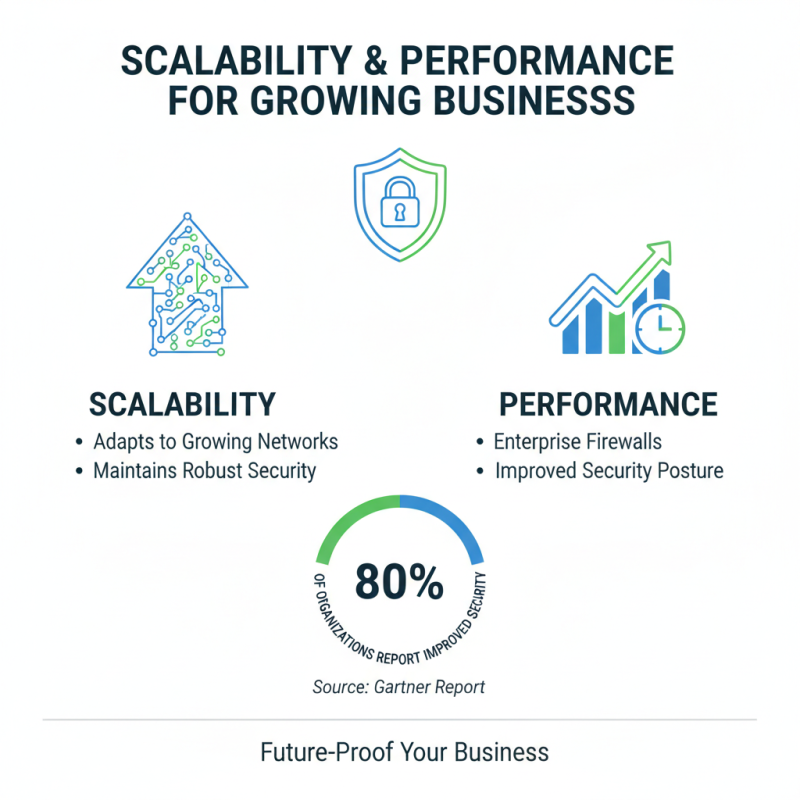
As businesses expand, maintaining robust security becomes vital. The scalability of enterprise firewalls allows them to adapt to growing networks. According to a report by Gartner, 80% of organizations report improved security posture with scalable solutions.
The performance advantages are particularly appealing. Many companies experience a 40% increase in throughput with modern firewalls. This translates into faster data processing and reduced latency. Efficient firewalls manage increasing traffic seamlessly, retaining speed without compromising security.
Tip: Regularly assess your network needs. This helps in choosing the right firewall features. Focus on adaptable solutions to keep pace with your growth.
Moreover, it is essential to recognize potential gaps. Not all firewalls handle large data volumes effectively. Regular updates and patch management can prevent vulnerabilities. Investing time in training staff on these systems can further enhance efficiency.
Tip: Conduct routine training for your IT team. Staying updated on firewall functionality is key.
In summary, a scalable enterprise firewall is critical for businesses seeking growth. The blend of performance and adaptability secures networks, crucial for excellence in today’s digital landscape.
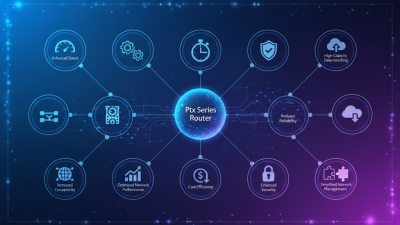
Implementing an enterprise firewall can be a strategic move for businesses. It typically ensures advanced security measures while maintaining a cost-effective approach. Many organizations are finding that investing in robust firewall solutions yields significant long-term savings. These firewalls often prevent costly breaches, which can result in substantial losses and reputational damage.
The installation and maintenance of these firewalls are usually less expensive than the potential financial repercussions of cyberattacks. Companies enjoy reduced operational costs due to streamlined management and fewer security incidents. However, the initial investment may seem high, leading some to hesitate. Evaluating the total cost of ownership helps clarify this decision.
Many firewalls offer flexible pricing models. This adaptability allows companies to match their budget with their security needs. Investing in training for staff can enhance the effectiveness of these firewalls. Yet, some businesses overlook this, which may limit the effectiveness of their investment. Understanding both the financial and operational impacts is vital for making informed decisions.
| Benefit | Description | Cost-Effectiveness |
|---|---|---|
| Enhanced Security | Offers robust protection against cyber threats and unauthorized access. | Reduces potential data breach costs significantly. |
| Scalability | Easily scales with growing business needs without major investments. | Minimizes costs associated with over-provisioning hardware. |
| Centralized Management | Simplifies management of multiple firewalls in a unified interface. | Lowers administrative overhead and operational costs. |
| Advanced Threat Intelligence | Utilizes real-time threat data to thwart potential attacks. | Potentially reduces incident response costs. |
| Regulatory Compliance | Helps in adhering to industry regulations and standards. | Reduces fines and penalties related to non-compliance. |
| High Availability | Ensures continuous operation and uptime for critical applications. | Minimizes costs due to downtime losses. |
| Flexible Deployment | Can be deployed on-premises, in the cloud, or in hybrid environments. | Provides options that cater to various budget scenarios. |
| User-Friendly Interface | Intuitive management tools that simplify operational tasks. | Reduces training costs for IT personnel. |
| Integration Capabilities | Seamlessly integrates with existing IT infrastructure and security tools. | Decreases costs associated with system incompatibility issues. |
| Cost Efficiency | Delivers a strong return on investment compared to traditional security solutions. | Long-term savings through reduced security incidents and management costs. |
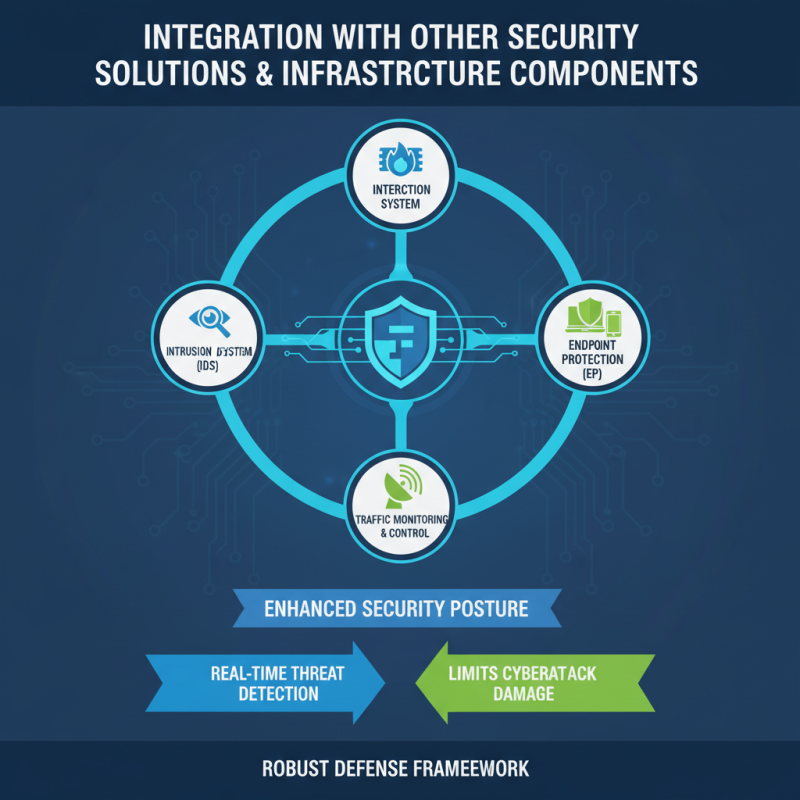
Integrating an enterprise firewall with existing security solutions enhances a business's overall security posture. Firewalls serve as a central point for traffic monitoring. By connecting them with intrusion detection systems and endpoint protection, organizations create a robust defense framework. This interconnectedness allows for real-time threat detection, limiting potential damage from cyberattacks.
Coordination between security tools can sometimes lead to complexity. Each solution may function differently, making integration challenging. For instance, variations in alert systems can cause confusion. However, finding ways to streamline communication among these tools is crucial. This means investing time in understanding how to align functionalities effectively.
Moreover, businesses often overlook regular updates to security protocols. Continuous evolution of threats requires adaptive measures in the firewall system as well. Failing to do so can lead to vulnerabilities. It's vital to re-evaluate integration efforts periodically, ensuring all components work seamlessly together. Adapting to new challenges can increase resilience against threats.